 ®
Mx. Love C. Dialogos, LMFT · Buddhist Chaplain · They/Them
Clinical Writing
On neurodivergence, family estrangement, the intersection of identity and mental health, and the questions that don't resolve cleanly: by a queer, neurodivergent LMFT.
134 posts

Kink Is Not a Diagnosis (Quick Read)
BDSM and kink are not disorders. A fast-reference summary of the research, the vocabulary, and what affirming clinical practice requires.

Kink Is Not a Diagnosis: A Clinical Framework for BDSM-Affirming Therapy
BDSM and kink are still pathologized in clinical settings, misread as trauma reenactment or compulsion. This is a framework for doing better.
AuDHD Therapist
A couple is seated across from me, and they've been having the same argument for years. It's never about the dishwasher. There's a thing in the middle of the room, and they can both see it, and neither of them will touch it.

Neutrality Isn't Neutral: Who Actually Benefits From Your Silence
A trauma-informed therapist on why "staying out of it" is never actually neutral: it's a side that never has to say its name out loud.

Your Reaction Is Not the Story: Understanding Reactive Abuse
When sustained provocation finally produces a reaction, the reaction is real, and so is the tactic that engineered it. Understanding reactive abuse correctly locates where the actual abuse lives.
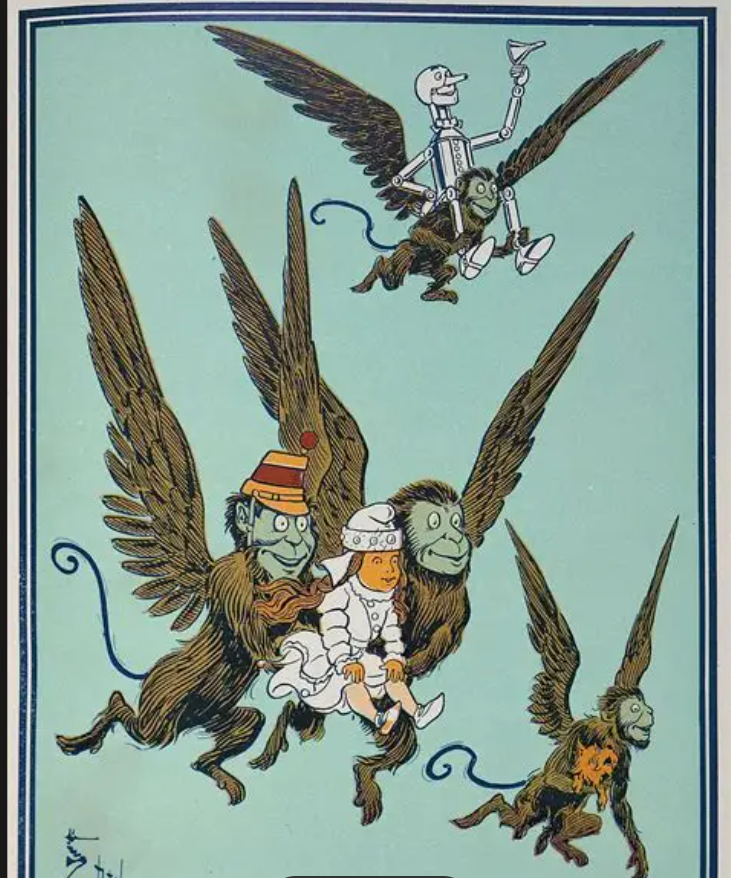
Flying Monkeys and the Smear Campaign: Recognizing the Architecture of Narcissistic Abuse
By the time the abuse becomes undeniable, the people around you have often already been quietly recruited to doubt you. Understanding how this happens is one of the most stabilizing things a client can learn.

The Gag Nobody Wrote Down: Why Therapists Don't Publicly Defend Themselves
The full mechanism behind why licensed therapists stay silent during false public attacks: the licensing board risk behind it and what works instead of a public fight.

Two Roads to the Same Cliff: Durkheim, Social Structure, and the Suicide Risk That Mood Screeners Miss
Émile Durkheim argued in 1897 that suicide rates track social structure as well as individual psychology. A century and a quarter later, his core insight (that integration and regulation are genuine risk factors) has held up better than most of what came after it. This piece covers what that means for clinical practice.

The Vice Grip: Intersectionality, Culture, and the Compounding Architecture of Suicide Risk
Suicide attempt rates for LGBTQIA2S+, neurodivergent, and BIPOC populations compound when identities overlap rather than simply adding together. A clinical look at why, and what collectivist versus individualist cultural context changes.
New to a concept? The Topic Index organizes every article by subject.
Browse Topic Index →Stay connected
New posts, straight to your inbox.
No spam. No newsletter cadence. Just a single email when something new is published: clinical writing on neurodivergence, LGBTQ+ affirming care, family systems, and Buddhist psychology.