 ®
®Mx. Love C. Dialogos, LMFT · Buddhist Chaplain · They/Them
Clinical Writing
On neurodivergence, family estrangement, the intersection of identity and mental health, and the questions that don't resolve cleanly — by a queer, neurodivergent LMFT.
112 posts

Gender Dysphoria or Body Dysmorphia? The Differential That Gets Missed
The two get confused constantly and they need opposite responses. What distinguishes gender dysphoria from body dysmorphic disorder, and why getting it wrong causes harm in both directions.

Gender Dysphoria or Dissociation? Both Feel Like Not Being in Your Body
Depersonalization and gender dysphoria both produce the sense of watching yourself from outside. What separates them, why they co-occur, and why treating one as the other stalls people for years.

Trans or Questioning? Why the Question Is Built Wrong
How sure do you have to be, how long does questioning last, and what the demand for certainty actually costs. A clinical look at why the sure-or-not framing fails the people using it.

Alexithymia and Gender: When You Cannot Feel What You Are Supposed to Feel
Why the standard question about gender, how do you feel in your body, fails for people with alexithymia, and what to use instead when interoception is unreliable.

SOC-7 to SOC-8: What Actually Changed
A plain-language comparison of WPATH Standards of Care versions 7 and 8: assessment requirements, the real-life experience rule, new chapters, and what it means for access.
The Nonbinary Chapter in SOC-8, and Why It Took Until 2022
SOC-8 gave nonbinary people their own chapter for the first time. What it says about assessment, partial and non-standard interventions, and why binary assumptions were built into earlier care.
What a Therapist Letter Under SOC-8 Actually Requires
What a letter of support for gender-affirming care has to contain under WPATH SOC-8, who can write one, how many you need, and what has changed since SOC-7.
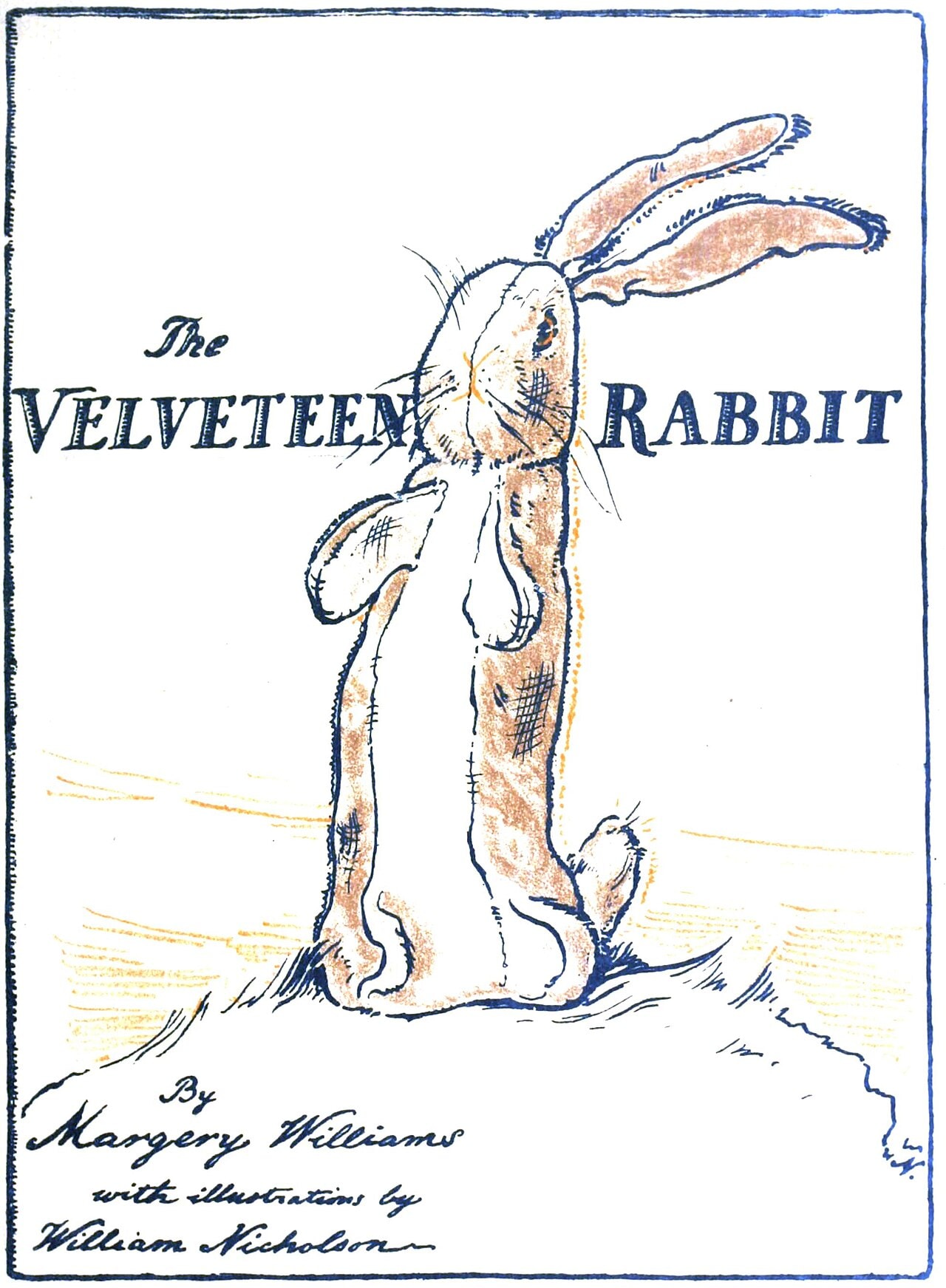
What The Velveteen Rabbit Actually Teaches About Becoming Real
Margery Williams wrote a children's book about a stuffed rabbit who wants to be real. What she actually wrote was a precise account of what it costs to stop performing and start becoming — and why love is the only thing that can do it.

Why You Lose People When You Stop Masking: The Arrangement Nobody Named
Autistic people routinely lose relationships after unmasking. Masking is unpaid labor performed for someone else's benefit, and when it stops, the people who profited from it experience the boundary as harm.
New to a concept? The Topic Index organizes every article by subject — not by date.
Browse Topic Index →Stay connected
New posts, straight to your inbox.
No spam. No newsletter cadence. Just a single email when something new is published — clinical writing on neurodivergence, LGBTQ+ affirming care, family systems, and Buddhist psychology.